
Antistatic presents: Every Object an Archive
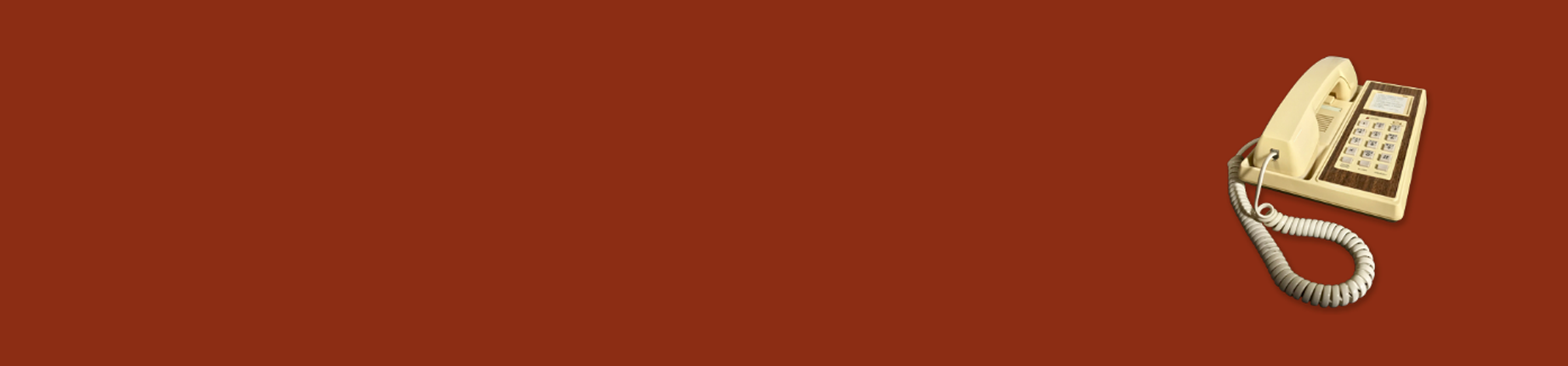
Late last year, we quietly launched a new Antistatic project we’ll be working on in 2026: Every Object an Archive. One object at a time, we will be conducting interviews with people about their experiences using once-ubiquitous technologies. These will take the form of ‘exit interviews’ for technologies (with users as a proxy for the objects themselves). First up, in early 2026, we will be exploring the landline telephone.
Every Object an Archive was inspired by the obvious-but-cosmic idea that all the physical and technological objects populating our homes, workplaces and cities — from ballpoint pens to the latest smartphone — can be a history lesson, an archive, or a lens. They are material, but they are also emblematic of a set of social and technological conditions, and their use gives rise to specific kinds of behavior and cultural practice.
Many of our friends and influences in the worlds of history, science and technology studies, and anthropology have been exploring the influence of tools and technologies on society for decades. As material culture nerds and tech-adjacent writers, we’re especially interested in thinking about what we gain and what we lose in technological transitions — and how people feel about it. When technology evolves and an older tool falls out of popular use, the cultural practices that evolved around, say, the landline or the horse and buggy, often fall out of use too.
The Every Object an Archive interviews will be an opportunity for people to reflect on how technologies impacted their lives and consider (in the mode of a classic exit interview) what should be improved, changed, or remain intact as new objects and processes take their place. It will also be an opportunity for us to think about potential interventions in the current and emerging technological and social landscape.
We’re starting this project under our own steam, because we have time and we’re keen to get started on Issue 1: Landline as a proof of concept. If you have ideas for funding avenues or potential sponsors for a future issue we’d love to hear from you.